What is a jazz kissa?
A small Japanese cafe built around a record collection and a serious stereo. You do not choose the music, you rarely talk, and the coffee is incidental. The oldest still running opened in 1926.
Rooms built around a stereo have gone from a Japanese speciality to a global one in about a decade. Here is what they are, where they came from, and why they are suddenly everywhere.
A small Japanese cafe built around a record collection and a serious stereo. You do not choose the music, you rarely talk, and the coffee is incidental. The oldest still running opened in 1926.
You are not buying coffee. You are buying an hour in front of somebody else’s record collection.
In post-war Japan an imported jazz LP could cost close to a month’s rent, and almost nobody owned a system worth playing it on. A cafe could afford both. Selling seats in front of them was simply the business.
Every convention that followed — the silence, the owner choosing, the fixed programme — comes out of that arrangement rather than out of anyone’s idea of etiquette.
1926
Meikyoku Kissa Lion opens in Shibuya. Rebuilt in 1950 to the same plan, and still running the same way.
The most famous kissa in Tokyo runs homemade horns built in-house in 1950 and an unbranded valve amplifier that has been rebuilt twice. Nothing in the room would survive a spec comparison with a mid-range system bought new today.
What it has instead is a room shaped around the speakers, one person choosing what plays, and everyone facing the same way.
Because it is simply a different way of listening to music. You pick a record, put it on, and listen to the whole thing instead of skipping through an endless playlist. It is physical, a little inconvenient, and that is exactly what makes it enjoyable.
And in a bar it changes the atmosphere. Someone actually chooses what plays next.
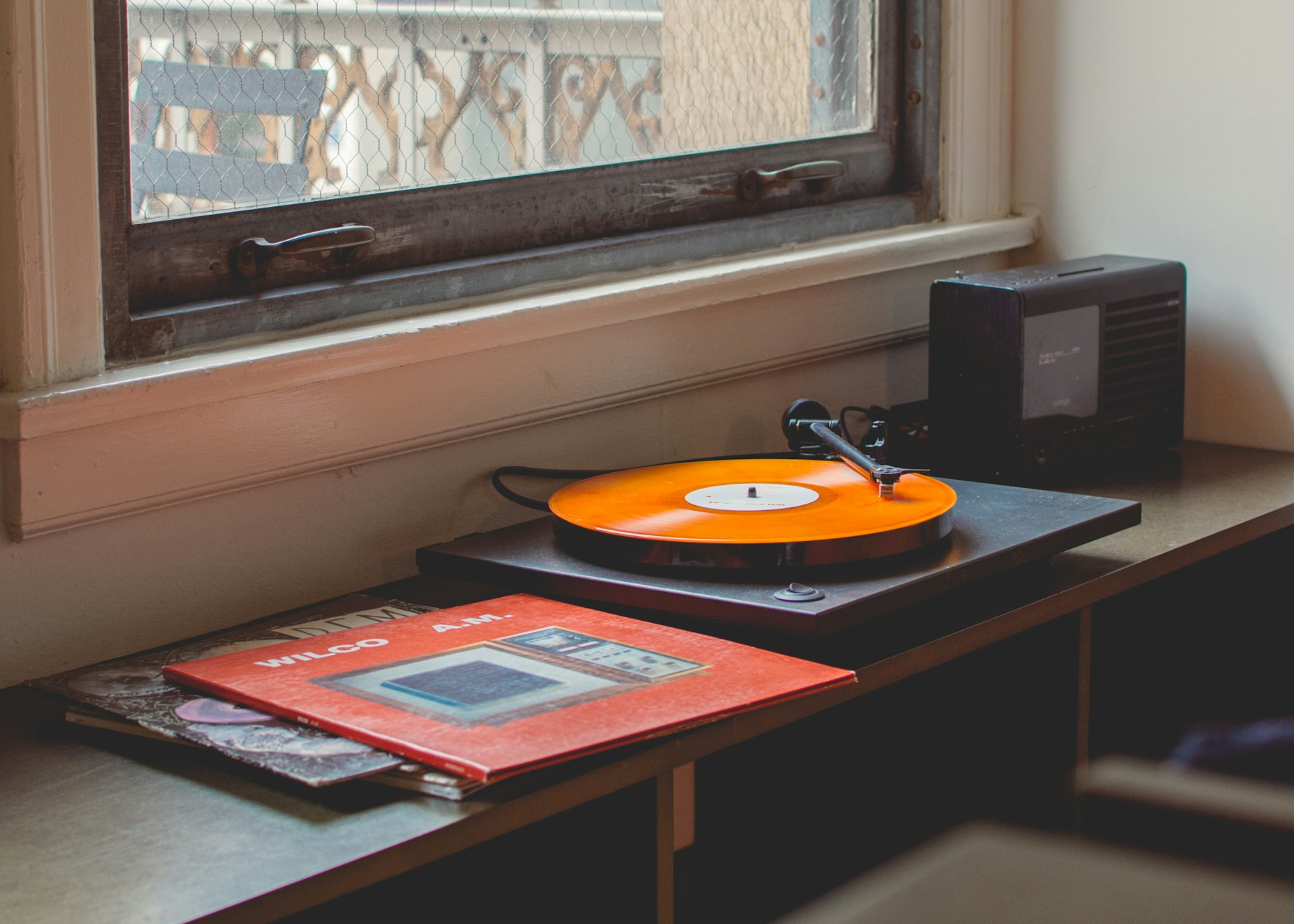
The name is as literal as it sounds. A record sits on a heavy rotating platter, and everything else in the machine exists to keep that platter turning at exactly the right speed without passing its vibration into the record.
Horn loudspeakers are efficient: they turn very little amplifier power into a lot of sound. That lets a room run low-powered valve amplification, which is where the warmth people describe actually comes from.
They are also physically enormous, which is why they end up in rooms that were designed around them rather than the other way round.
A kissa is the older, stricter form: daytime, coffee, classical or jazz, and usually no talking. A listening bar is its descendant with a bar tab — later hours, alcohol, a kitchen, and conversation permitted at a volume under the record.
Both appear here, and every entry says which policy applies, because arriving with the wrong expectation is the one thing that ruins the evening.
2013
Brilliant Corners opens in Dalston. Within a decade the format is in Paris, Berlin, New York, Los Angeles, Lisbon and Melbourne.
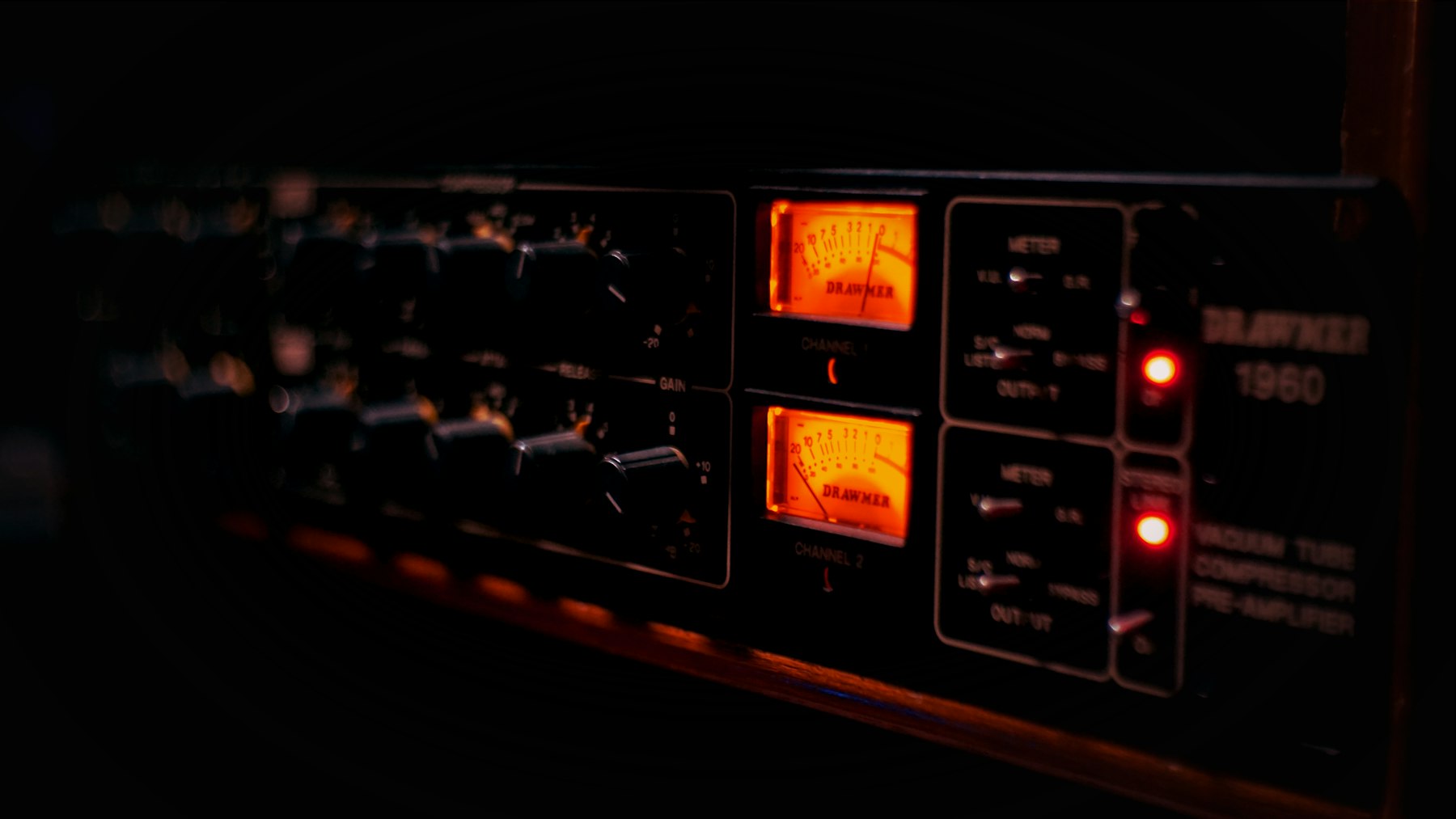
What comes off a cartridge is thousandths of a volt — far too little to drive anything. A phono stage lifts it and undoes the equalisation applied when the record was cut, without which everything sounds thin and bright.
When every recording ever made became free and immediately available, scarcity moved. It stopped being about owning the music and became about the conditions you hear it in: a tuned room, a person choosing, other people paying attention at the same time.
That is the thing a subscription cannot deliver, and it is what these rooms sell.
In a kissa: coffee, and often nothing else — several serve no alcohol at all. In a listening bar: whisky, natural wine, or whatever the room is known for. Several of the newer places take the kitchen as seriously as the system.
Reading about a room built for listening is the least useful way to understand it. Pick a city and find the nearest one.
Open the map